
From the Founder’s Desk: Electrification – The Commercial Catalyst for Modern Manufacturing
Thought Leadership
30th October, 25
Welcome to the latest edition of From the Founder’s Desk, a new series in which I share insights from the front lines of electrification engineering at ETA Green Power.
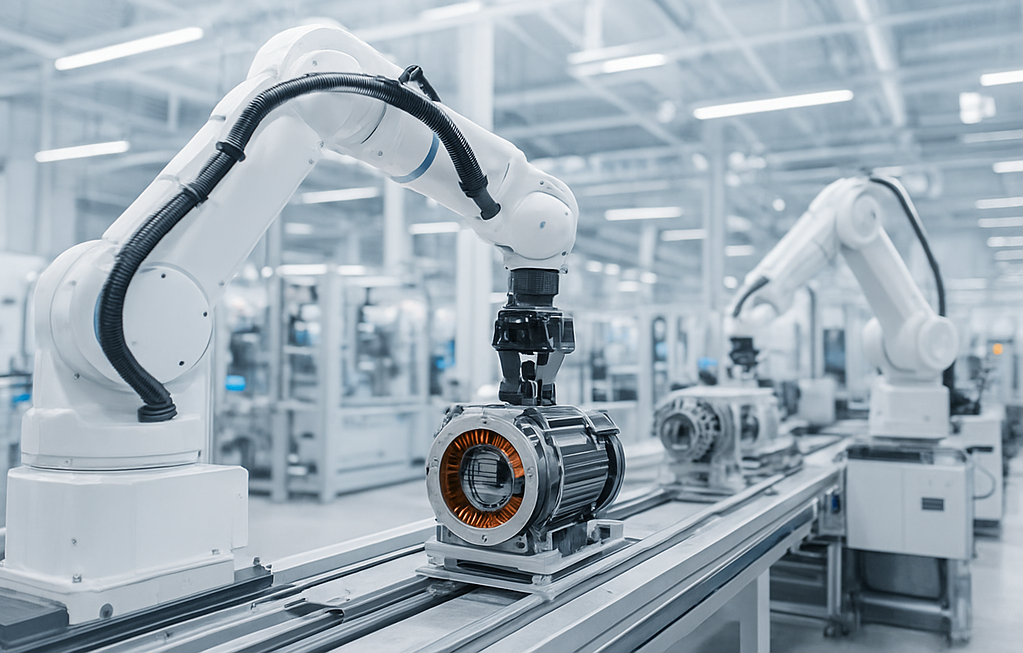
Too often, electrification is framed as a response to regulation or an environmental necessity. In reality, it’s a significant commercial opportunity, one that simplifies production, reduces capital requirements, and reshapes how competitive advantage is built on the factory floor. In this edition, I explore why the shift to electric platforms is not just changing what we build but also how we build, and what that means for the future of efficient, scalable manufacturing.
Let’s dig in.
The shift towards electrification is often framed as a necessity for regulatory compliance or an imperative for environmental benefits. While both are undeniable key drivers, this perspective dangerously limits the perceived value for industry leaders. The true power of electrification lies in its capacity to act as a commercial catalyst, fundamentally simplifying manufacturing processes, drastically reducing capital requirements, and streamlining operations for a competitive edge.
The danger for businesses, particularly in sectors like Outdoor Power Equipment (OPE) and related equipment sectors, is to play forever a financially expensive and reputation-damaging game of catch-up with mounting regulations. Instead of waiting to be told how to move, companies should proactively seize the competitive advantage offered by the intrinsic benefits of electric technology. This article reviews and discusses some of the commercial benefits of electrification and how they could be implemented.
Manufacturing Simplified: The Power of Fewer Parts.
At its core, an electric drive system is a study in elegant simplicity. Contrast the hundreds of moving parts, complex fluid dynamics and intricate assembly required for a traditional internal combustion engine (ICE) with the relative straightforwardness of an electric motor and power electronics.
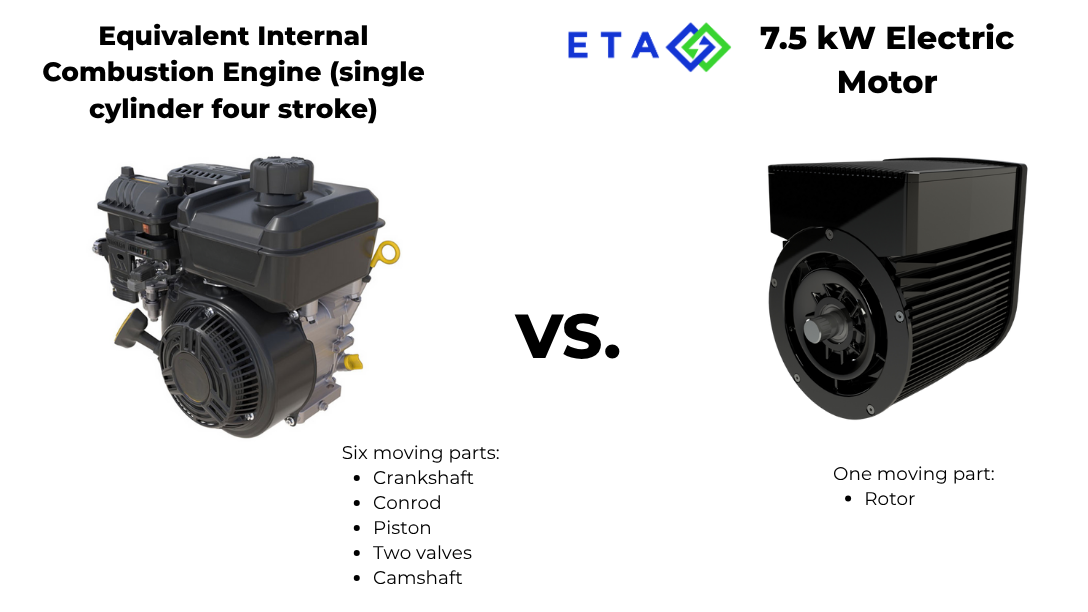
Figure 1 — Comparison of a generic internal combustion engine and a 7.5kW ETA Green Power electric motor.
This fundamental difference directly translates into profound commercial benefits on the factory floor:
- Simplification of Manufacturing: Electric motors, with their modular design and significantly reduced component count, are inherently more straightforward to assemble than their combustion counterparts. This allows for innovative manufacturing approaches, including greater automation and more flexible production lines.
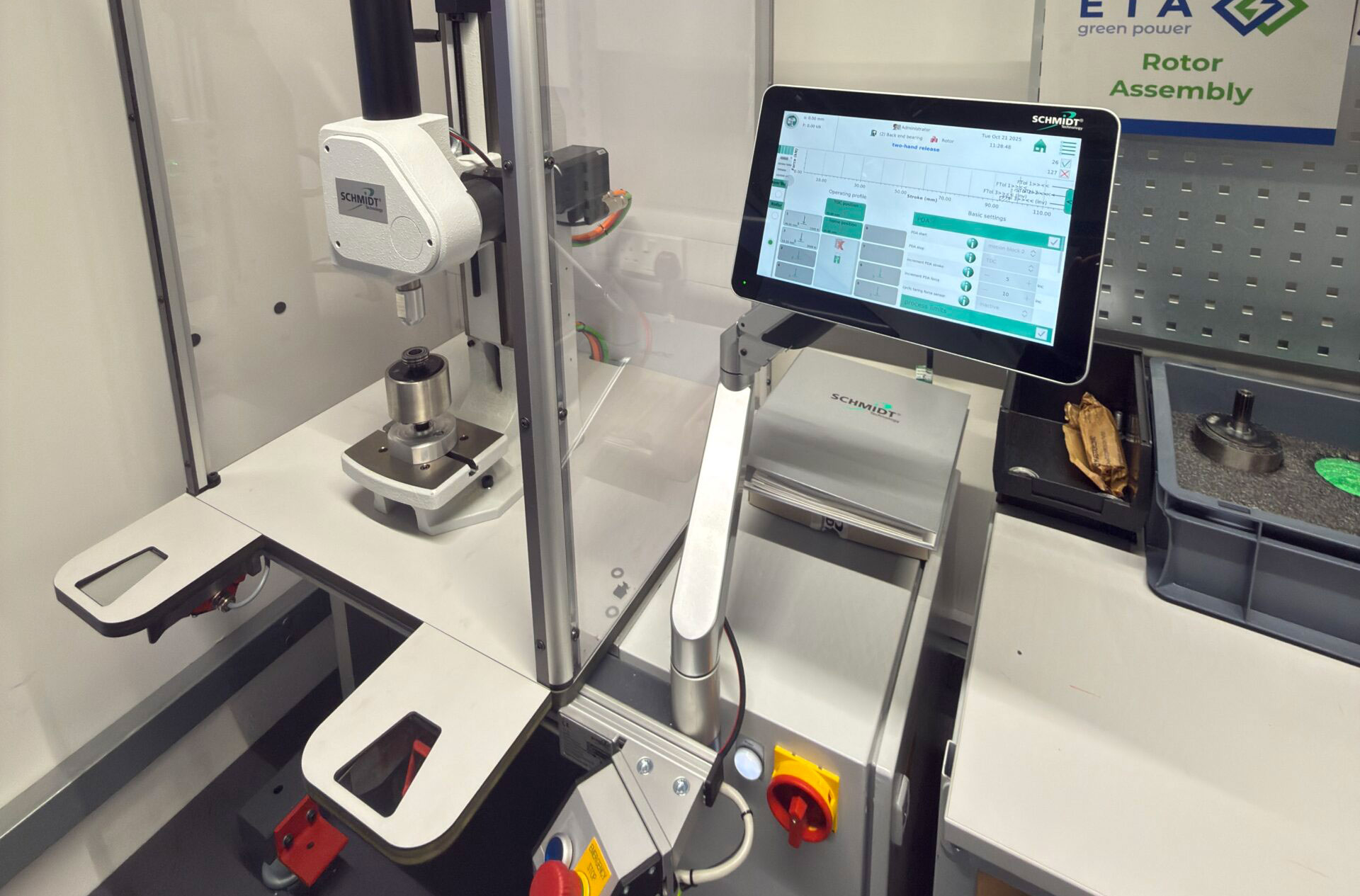
Figure 2 — ETA Green Power Rotor Assembly
2. Reduced Complexity: A simpler product design naturally leads to a simplified production process. This reduction in complexity can result in shorter lead times and less need for highly specialised assembly stations that are dedicated to complex engine systems.
3. Hygienic Efficiency: As technology evolves and the financial contribution to the field increases, electric systems are becoming increasingly refined and streamlined to achieve a level of manufacturing efficiency that gasoline alternatives simply cannot emulate.
Optimising Capital: Working Smarter, Not Harder.
The manufacturing simplicity enabled by electrification directly impacts a company’s financial health, primarily by addressing two critical areas:
Figure 3 — Manufacturing Dashboard image created by Freepix
1. Reduction in Working Capital (WIC) Required
Working Capital, the difference between current assets and current liabilities, is the lifeblood of daily operations. Electrification provides multiple avenues for its reduction:
1. Lower Inventory Costs: The smaller bill of materials (BOM) for electric systems compared to ICEs means manufacturers require fewer raw materials and component inventories on hand. Fewer unique, complex parts to stock translates directly to a reduction in inventory holding costs, which is a significant component of working capital. Furthermore, this reduction goes beyond immediate inventory expenses. Simplified supply chains and improved supplier coordination considerably reduce indirect costs in areas such as supply chain management (SCM), procurement logistics, and warehousing. With fewer dependencies and more predictable supply flows, organisations can sustain leaner, more resilient inventory systems without compromising output or responsiveness.
2. Standardisation Across Product Lines: Electric motors and battery systems are often more easily standardised and scaled across a wide range of product categories (e.g. a motor platform for a trimmer can often be adapted for a blower). This platform commonality reduces the number of unique SKUs a company must manage and procure, freeing up capital previously tied up in diverse spare parts and specialised components.
2. Streamlining Work in Progress (WIP) Needs
Work in Progress refers to the value of goods that are currently being processed in the production line. High WIP is often a symptom of complex, multi-stage, or bottleneck-prone manufacturing processes.
1. Faster Assembly Cycles: Given the relative ease of assembly, electric systems spend less time on the production line. A quicker cycle time means the value of the product is realised faster, which reduces the capital tied up in partially completed goods (WIP).
2. Reduced Rework and Scrap: The fewer the moving parts and the simpler the assembly, the lower the probability of complex mechanical failure during the manufacturing stage. This leads to less rework, lower scrap rates and a more consistent flow, which further diminishes the need for large WIP buffers.
3. Enhanced Production Flexibility: The modular design of electric platforms enables quick adaptation to changing market demands. Switching between different power-sized motors or product variants can be achieved with minimal disruption, thanks to shared components and a standardised assembly line. This flexibility allows manufacturers to scale production up or down, or pivot to new models without the costly retooling traditionally associated with combustion-based systems. The outcome is a more agile production environment that aligns output more closely with real-time demand while optimising resource utilisation.
Beyond Compliance: Performance and Opportunity.
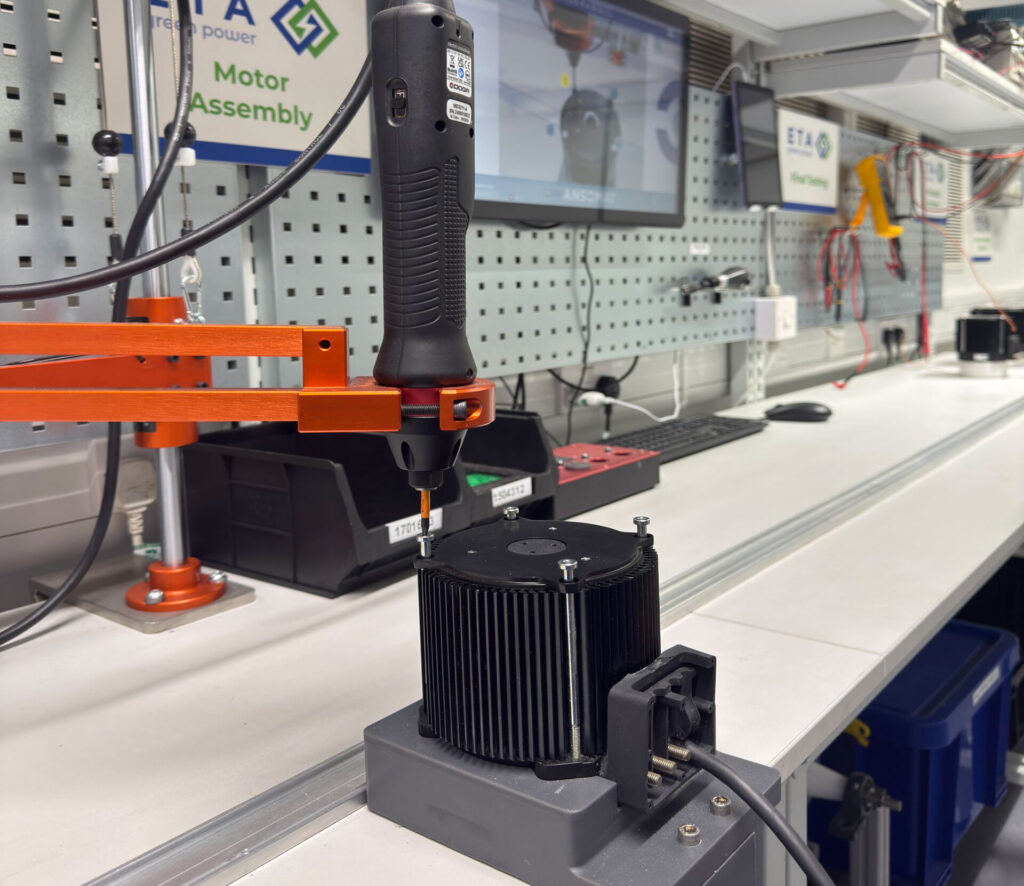
Figure 4 – Programmable Screwdriver at the ETA Green Power Rotor Assembly
The commercial benefits of simplified manufacturing and capital optimisation are compounded by the operational advantages of the final product:
1. Lower Total Cost of Ownership (TCO): Electric systems provide instant torque, require fewer fluid changes and have dramatically reduced maintenance needs, due to fewer moving parts. This translates into prolonged operational uptime for the end-user and a lower overall TCO, which is a powerful sales advantage.
2. Flexibility and Innovation: Electrification opens the door to integrating smart features and connectivity (such as remote monitoring and digital fleet management) that are nearly impossible in traditional models. This flexibility and potential for automation outstrips the binary nature of fossil fuel alternatives.
3. Scalability and Upgrade Potential: Electric platforms are invariably more scalable and modular than traditional systems, allowing for easier upgrades and expansions as demand grows or as new battery technology emerges.
In conclusion, the decision to embrace electrification is not just a defensive measure against impending regulations; it is a positive strategy to seize a competitive and commercial advantage. By fundamentally rethinking processes, products, and approaches, industry leaders can unlock simplified manufacturing, lower working capital requirements, and create a more efficient operational footprint. This will pave the way for a more sustainable, profitable and innovative future.
Get in Touch
We would appreciate your insights and challenges related to the transition to electrification and are committed to supporting OEMs and Tier 1 in navigating this challenge. Contact us through our website or LinkedIn to meet our expert team.